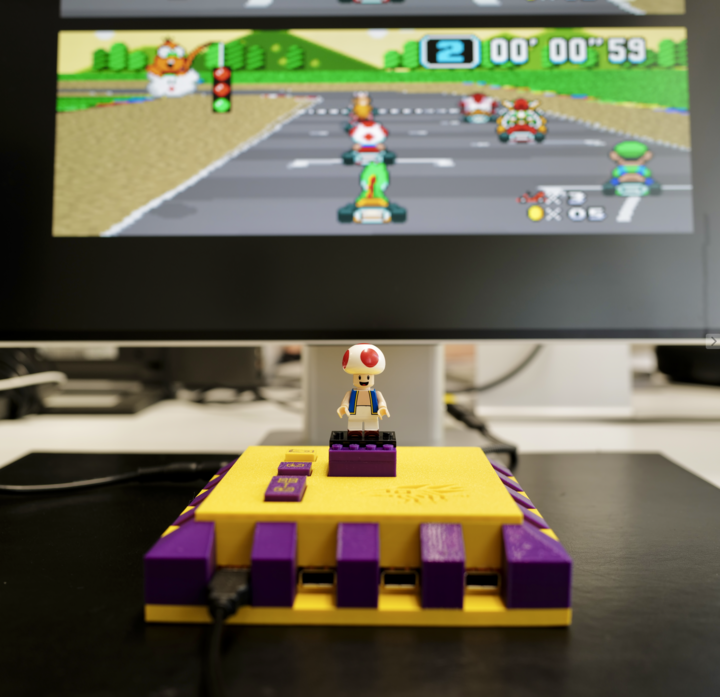
We love gaming with our kids.
Because:
Time spent together playing is not screen time, it’s quality time! Just like in the old days when multiplayer meant huddling around a single TV, rather than shouting at each other through headsets.
Retro games are so well suited for this because they are easy to play but hard to master. It’s much easier for kids to spend 60 or 70 tries beating a level boss, and then eventually turn off the console because a) it’s exhausting and challenging, and b) it’s still fun and fulfilling to do hard things.
Remember that feeling of finally beating Mike Tyson in Punch-Out!!? Pure, unadulterated triumph.
In contrast, modern games are designed to constantly draw us in with continuous dopamine kicks, dedicating our attention to the game instead of Netflix, TikTok, or our family. They’re like digital sugar rushes – thrilling in the moment, but leaving you with a crash. Retro games are more like a slow-cooked meal; satisfying and wholesome.
As nerdy parents, we want to enable our kids to game, but also protect them from hyper-stimulating games. When you observe your children playing Super Mario or Tetris compared to modern Switch games, we’ve consistently found that older games evoke just as much fascination but have much less addictive potential. Kids can regulate themselves much better with older games that have less overstimulation. Plus, no microtransactions or loot boxes trying to raid your piggy bank.
We also wanted to make it possible to save only a single game per cartridge if needed – similar to a Tonie-Box or a Jookie for audio plays or music – but just for gaming. Sure, a cartridge could contain hundreds of games, but that would helplessly overwhelm and overstimulate our children. Imagine telling a kid they have 500 NES games on one cartridge – they’d probably just default to Mario, because choice paralysis is real, even for tiny humans.
But:
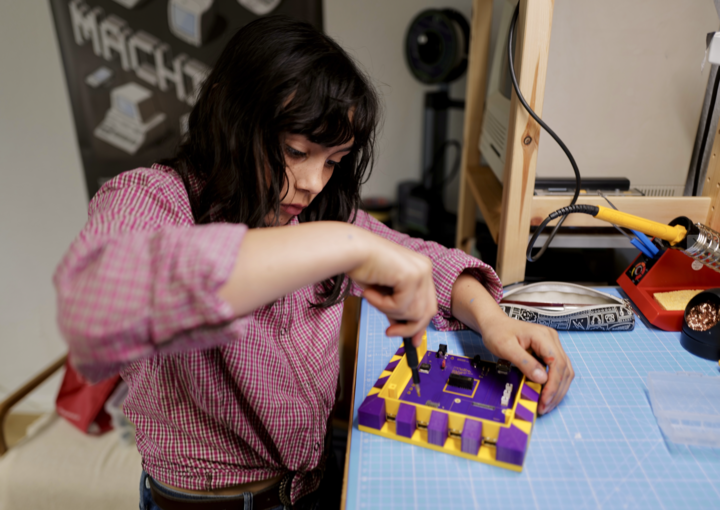
It is also a great experience for kids to BUILD RooK!
Leave a Reply