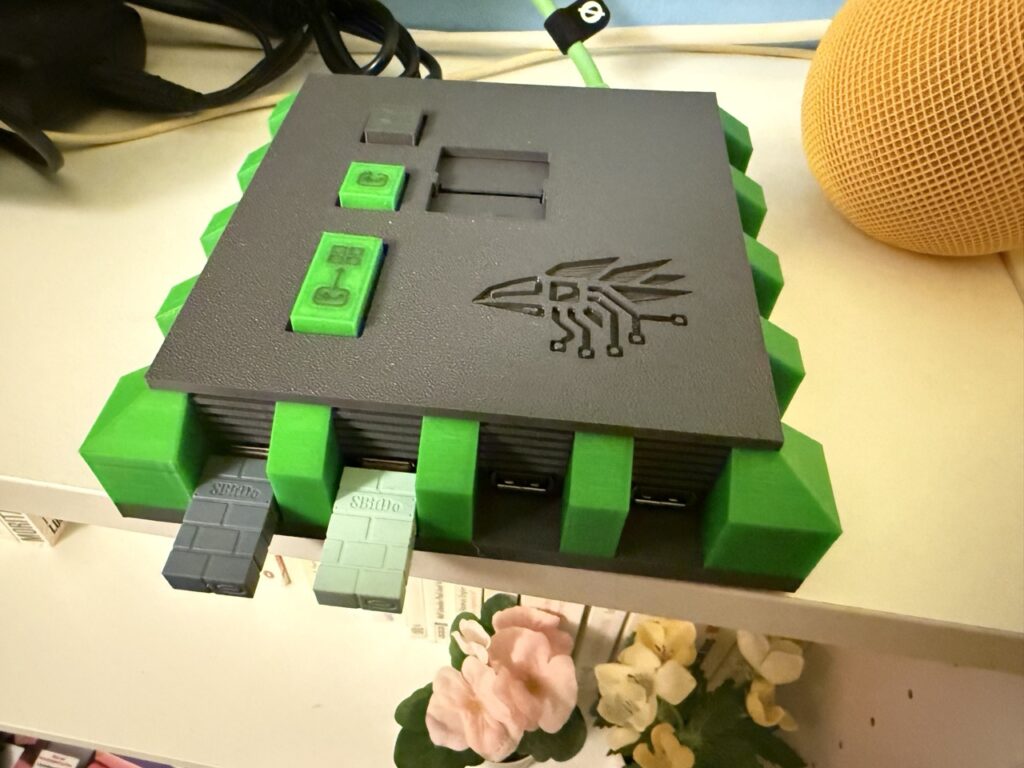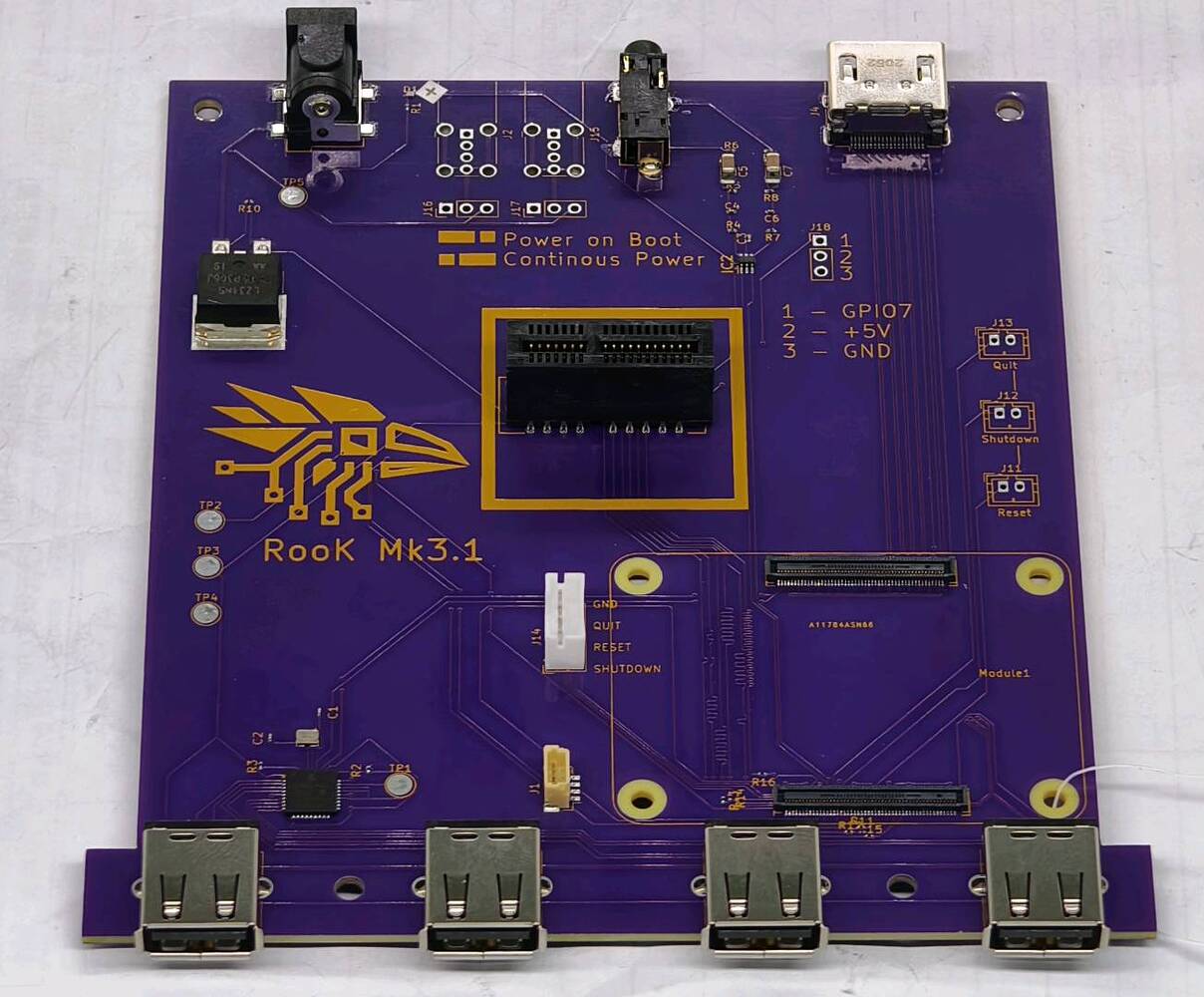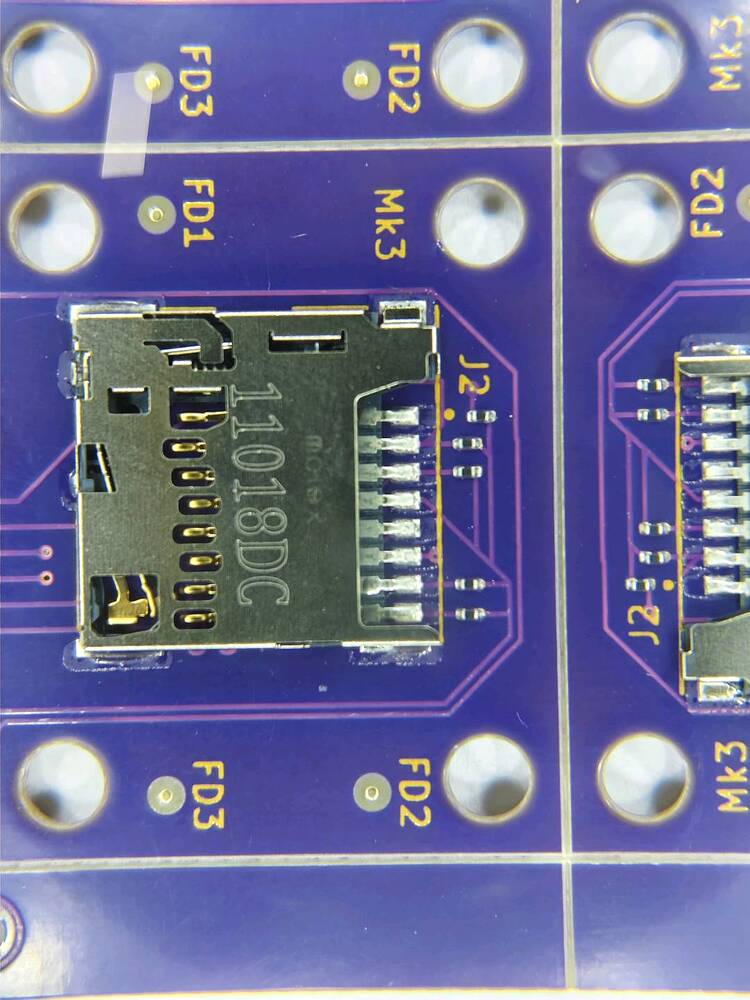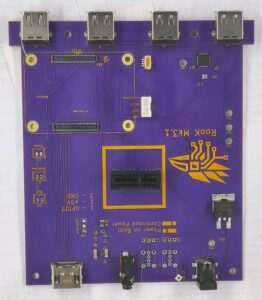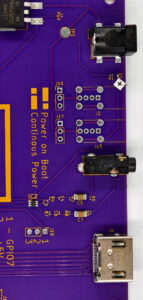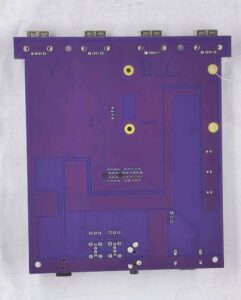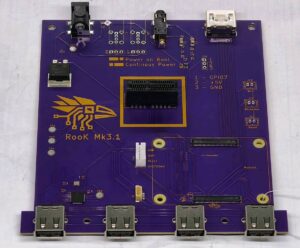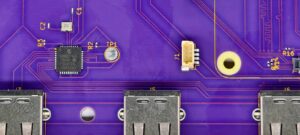
Oh, hey, hi! I am RooK Mk3.1 – Enno and Alex discussed that I should be the one telling the story of my very first official tournament. So this is my story.
When my creators started to discuss the idea of building me, their own gaming console, they had one thing in mind: run their annual internal retro gaming tournaments using me (or maybe another iteration of me, who knows?). And that just happened at the end of February. To quote multiple occassions and people: How the hell did they pull this off?
The past weeks leading up to the tournament weekend flew by at warp speeds. Every evening something had to be done to prepare the team or my tech for this very special event. While this is my first official tournament, I had a “soft opening” in Cologne a few months before. But it wouldn’t be the RooK Team if things should be done differently this time, and they had a clear vision for that:
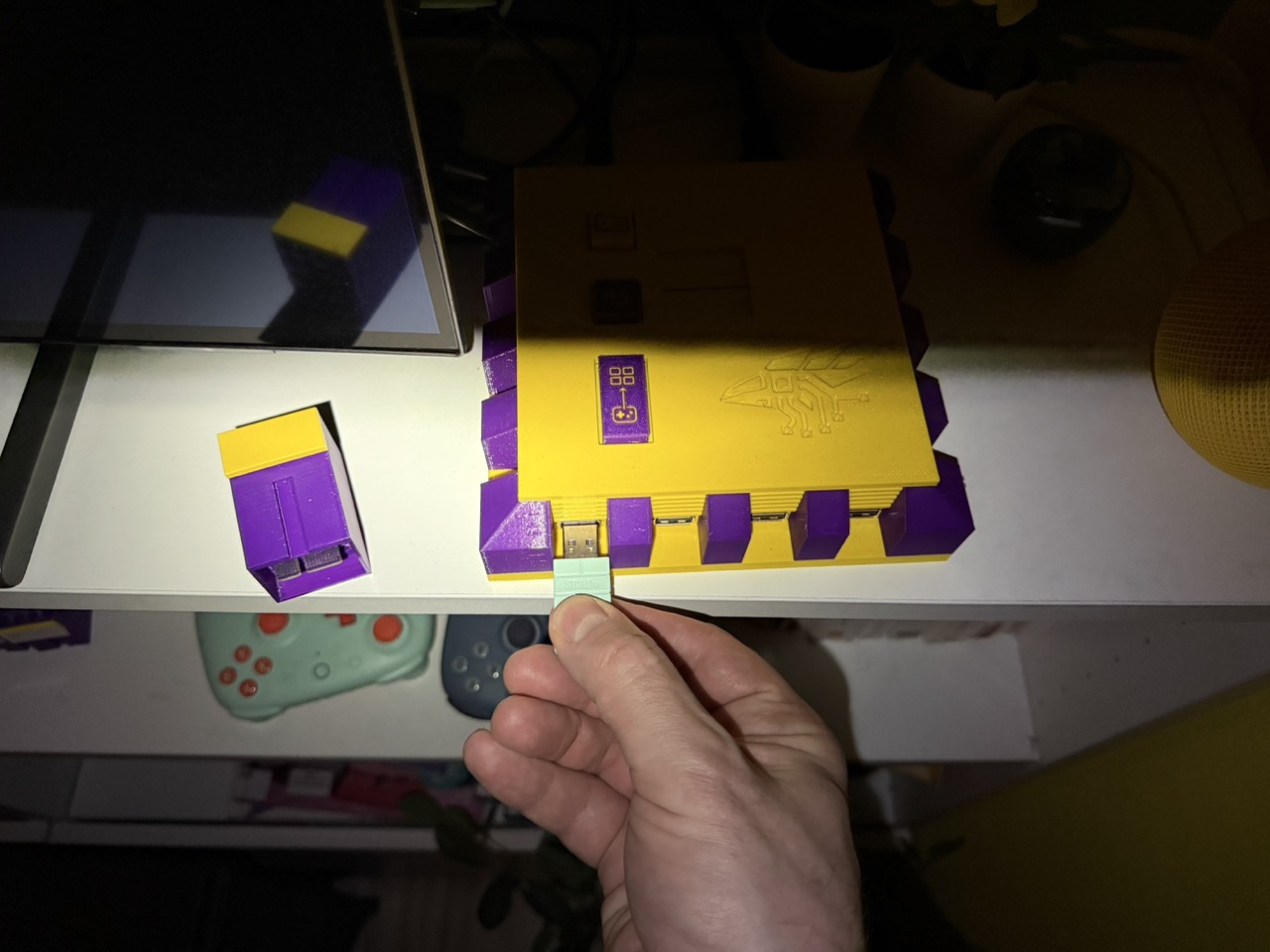
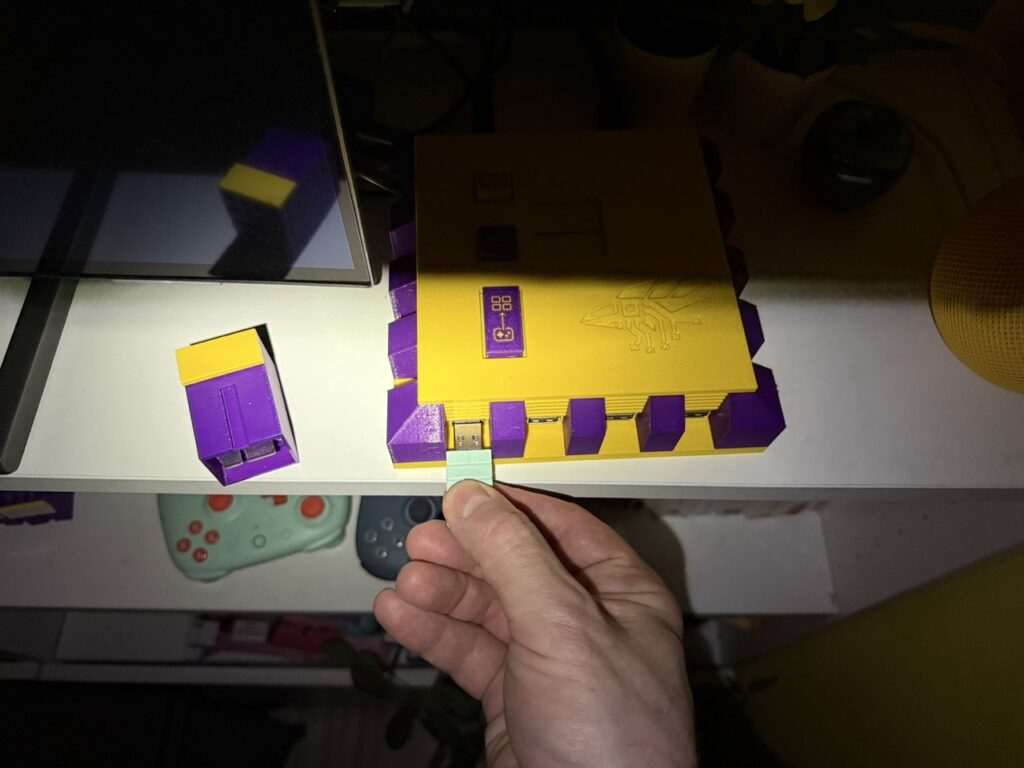
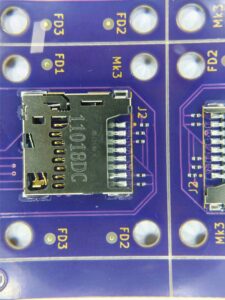
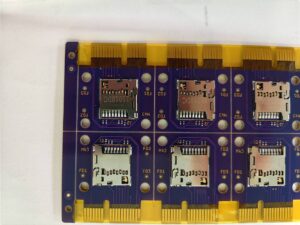
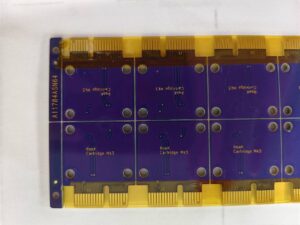
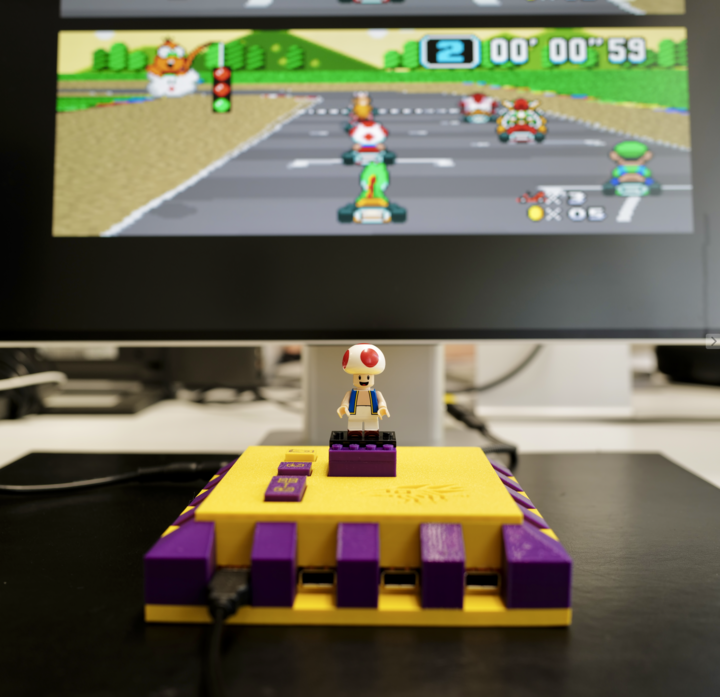
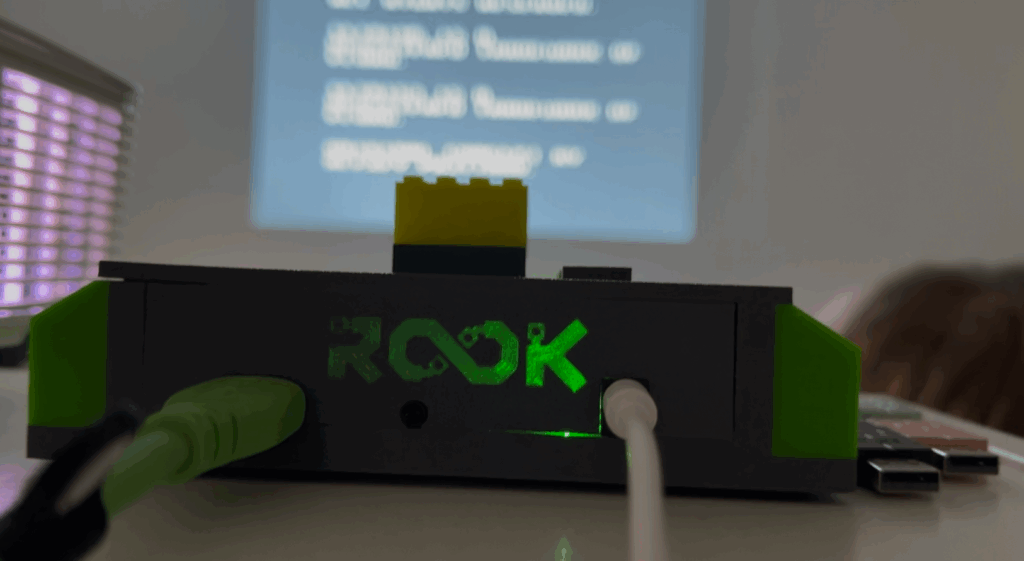
In previous tournaments on original hardware, they set up every console to run one specific game. You have to work with what you have. But now as I’m in charge of running the games they have much more flexibility: every RooK runs every game of the tournament, so why limit every console to just one game? They already know how to build cartridges that directly launch into the game. Thanks to the CM5 (i call it “my brain”) waiting for the boot process should not be an issue.
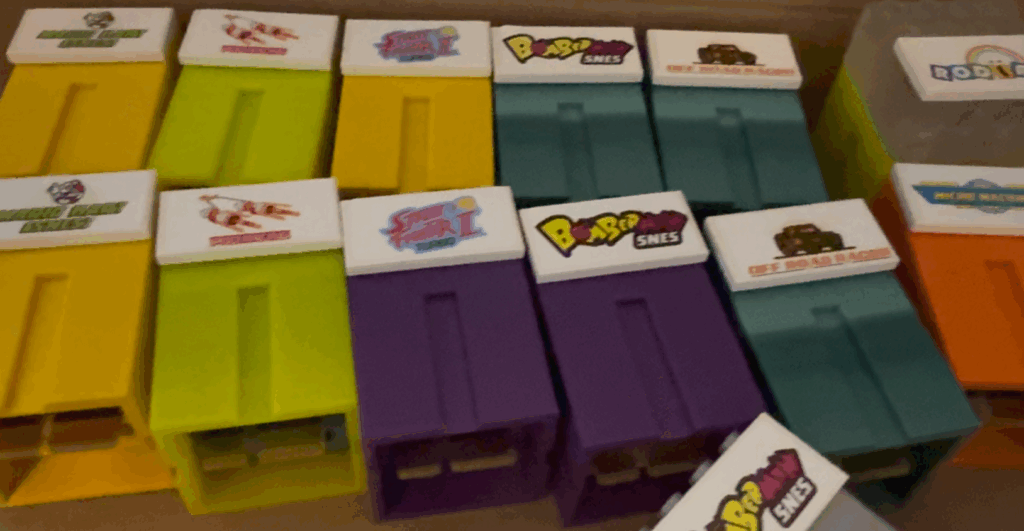
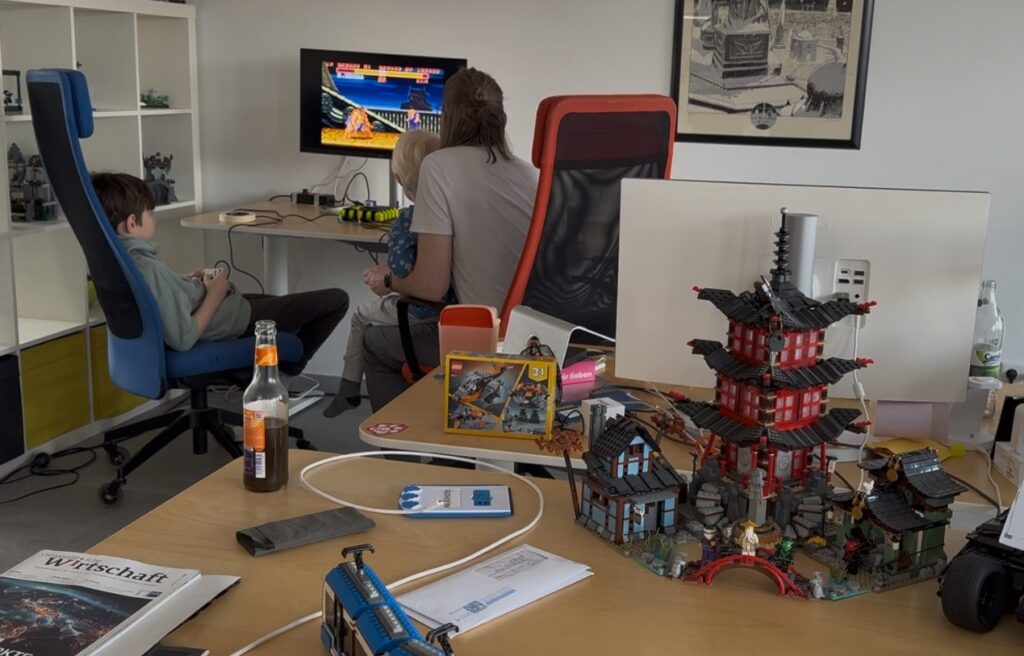
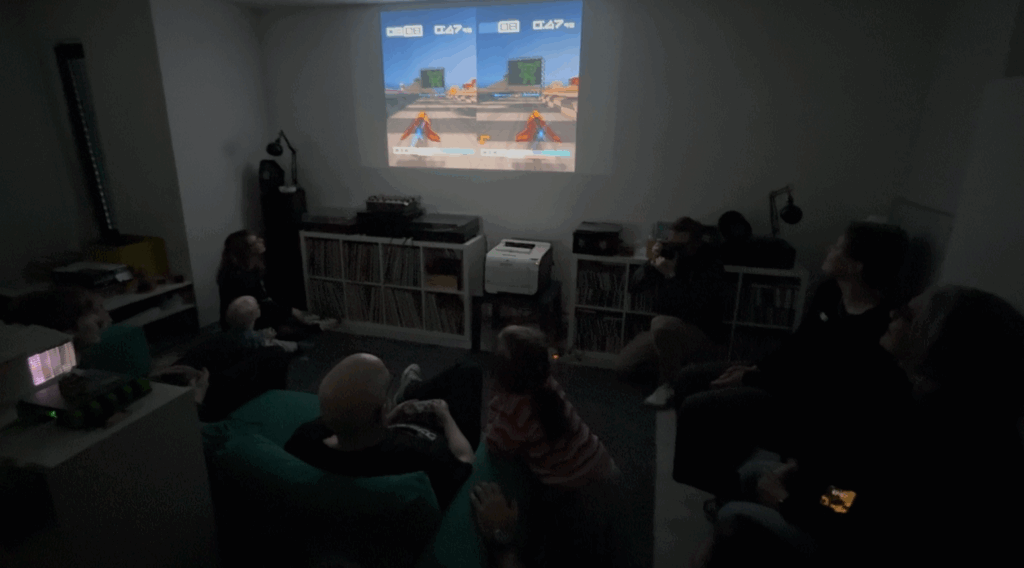
Whenever someone had to play in the tournament against someone a specific game, the people first had to find each other. As the anticipation of this event was very high, the tournament was packed: 24 players challenged each other and roughly 15 guests attended to watch. So finding your opponent was part of that challenge.
Then the players went to the tournament lead – another first: Arne took the reigns from Konstantin and led this tournament. Arne gave the players the cartridge with the game on and they went off and looked for an unoccupied RooK.
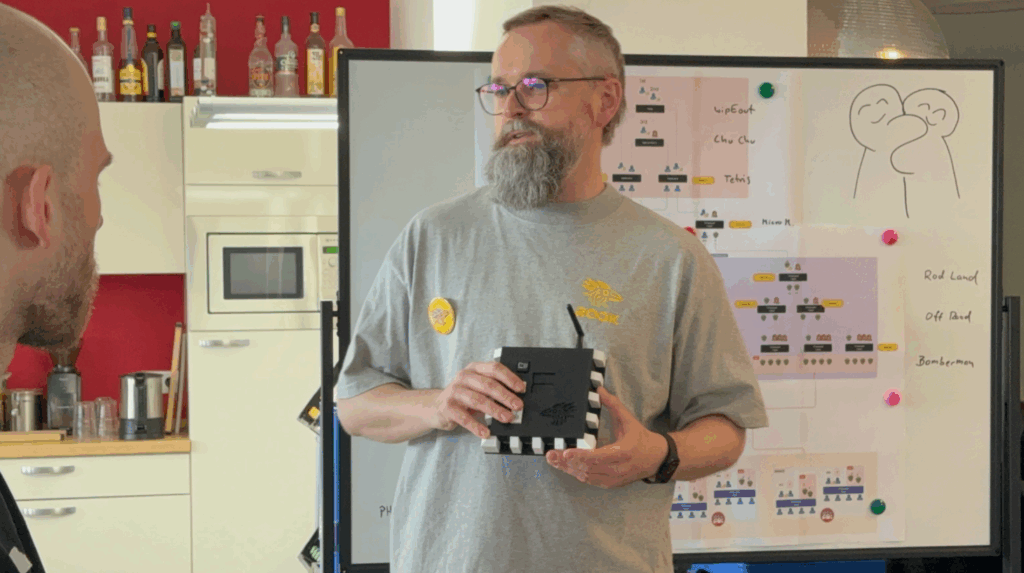
Nobody commented on the time it took me to fire up the game. Nobody commented on the shutdown procedure as well. Of course Arne did give a small introduction about me at the start of the tournament, so everybody knew how to operate the console.
The tournament plan Konstantin has tuned over the years is based on one principle: the first game of the tournament is crucial. It should provide an level playing field for gaming veterans and rookies alike and it needs to help divide the players into two categories. One such game is – of course – Bomberman. But not this time.
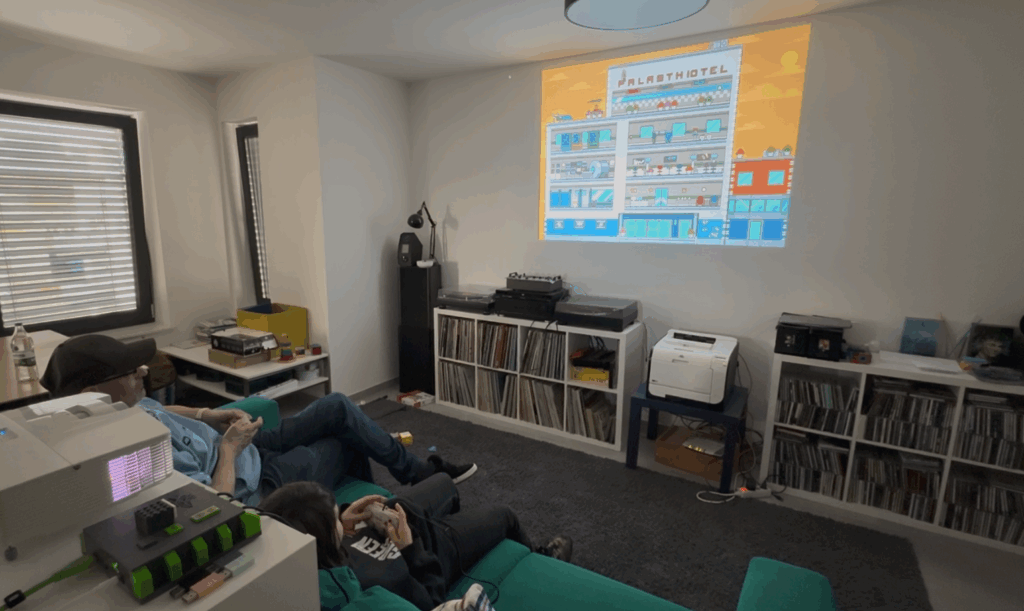
Basti set out to build a game for me, with the tournament setup in mind. And he did deliver! In the night before the tournament the team decided that the first game of the tournament will be Phrawler – the first game made by RooKsters for RooK – for me!
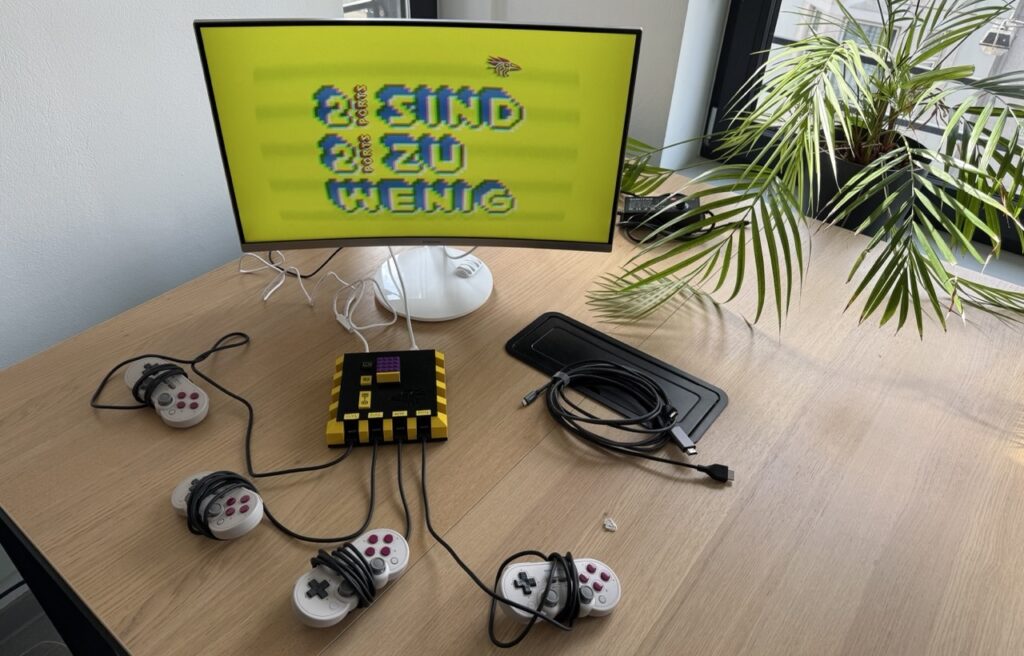
Just when everything started to unfold they faced an issue they didn’t see coming: suddenly a few of the RooKs only accepted three of four controllers. After fiddling with controllers and RooKs for a while they could get enough of the RooKs to work with four controllers to let the tournament progress without further issues. Why do these things never happen during testing?
As we’re discussing firsts, there were a few more. Somehow the team hat some mental load capacity left to organize accompanying program. Alex organized a “keyboard petting zoo”. A bunch of old Thinkpads with about 25 keyboards invited everyone to enjoy mechanical keyboards and keyboards with rather impressive layouts or very inventive features.
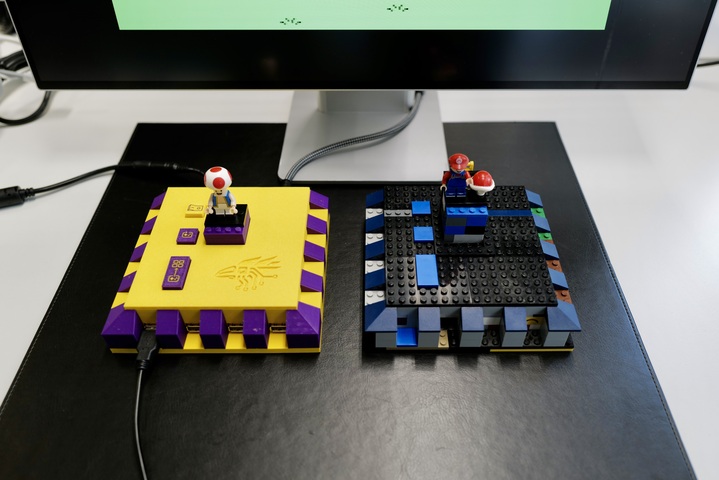
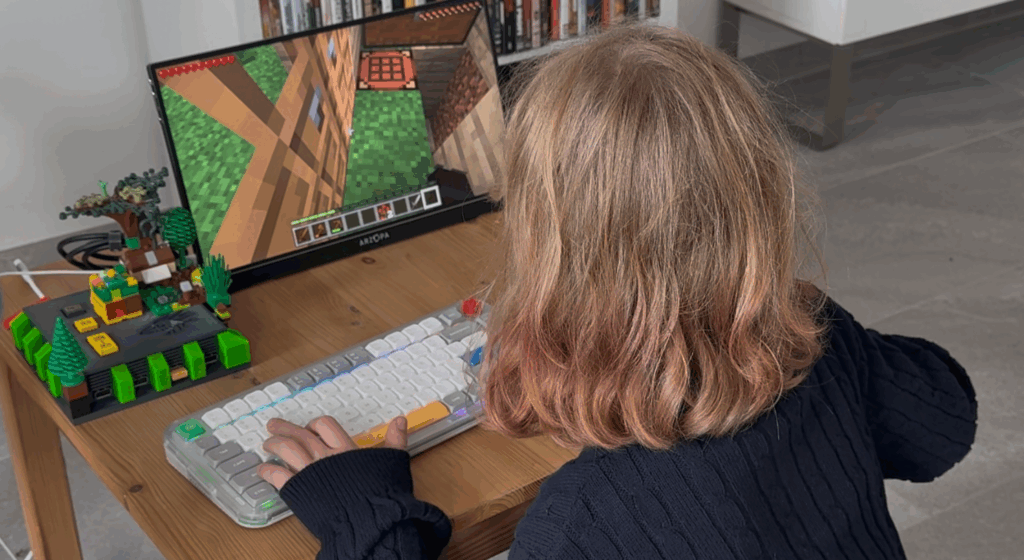
Konstantin’s daughter used her building skills and converted one RooK into a minecraft console. This Idea got some wings and was later known as the silent place to recover and play some Minecraft (yes, I run Minecraft Bedrock) without the stress of the tournament.
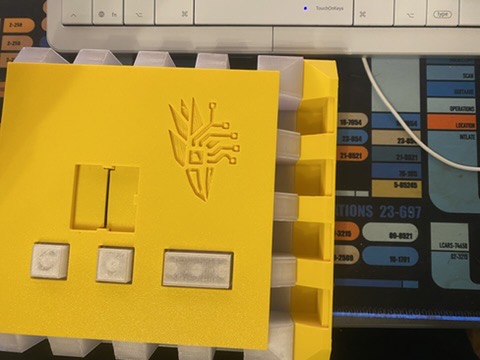
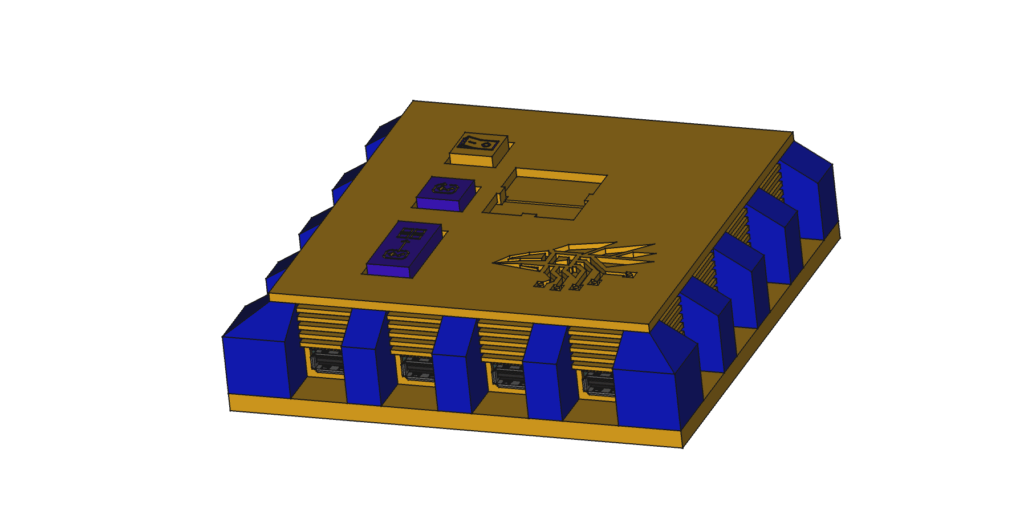
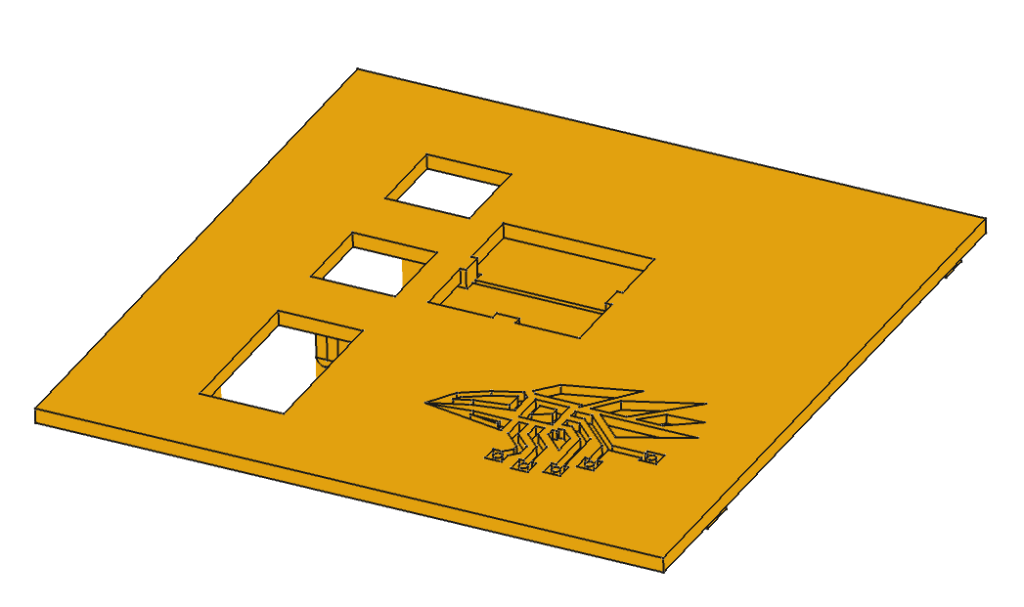
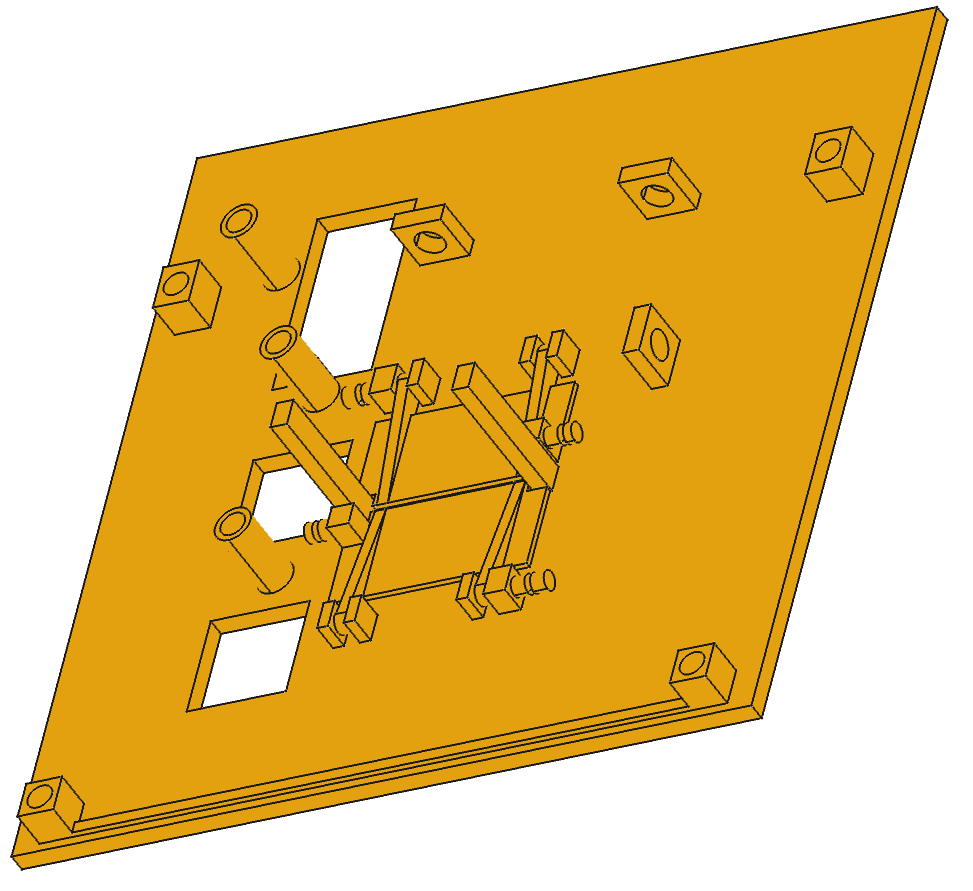
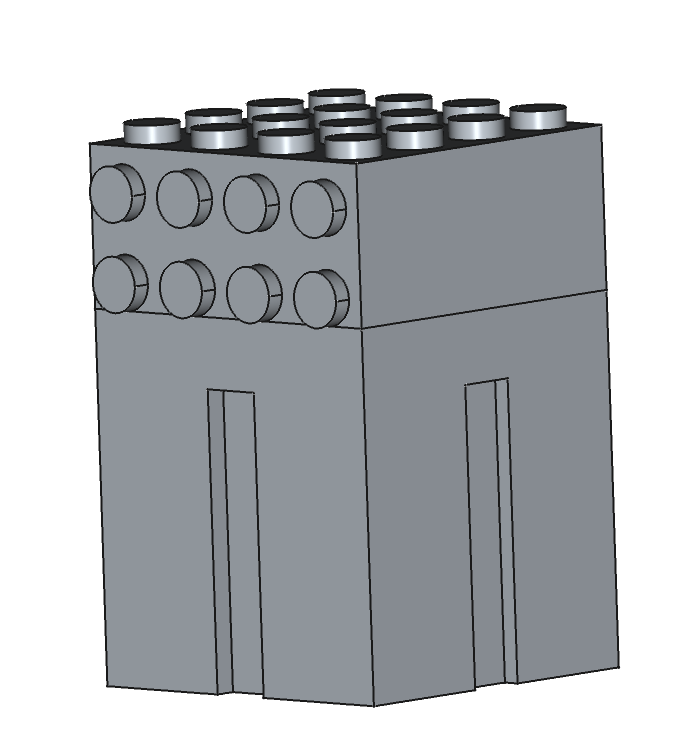
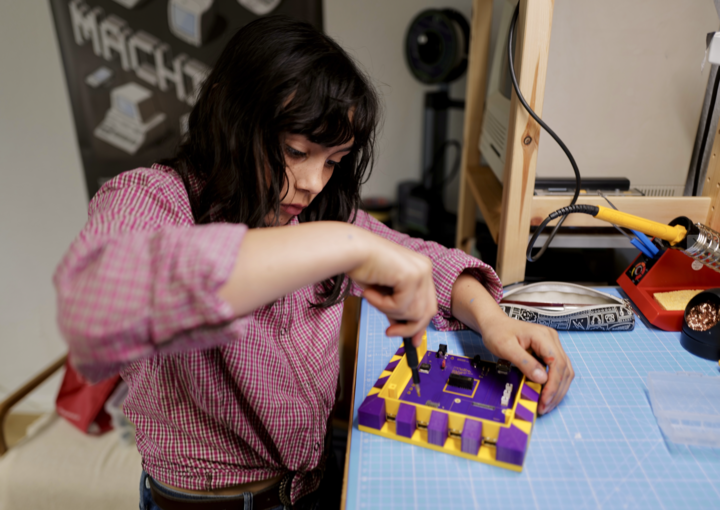
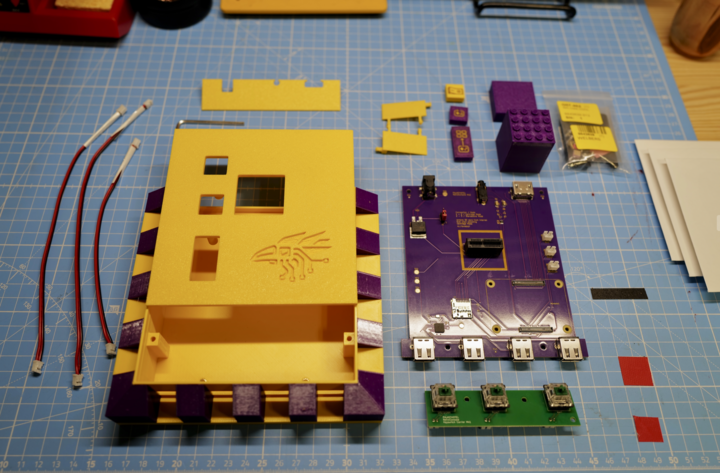
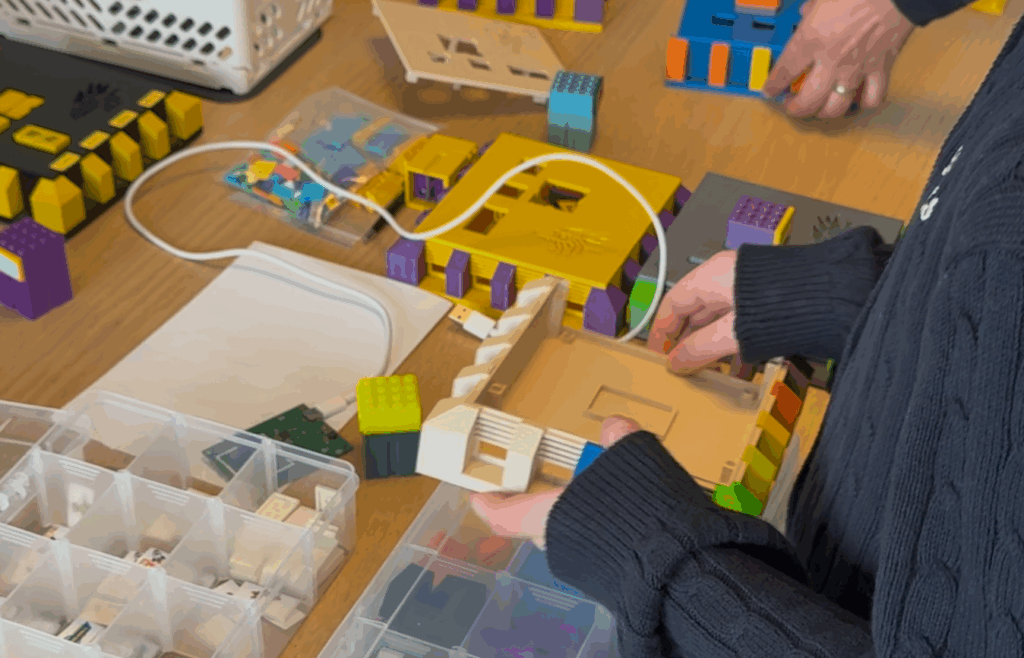
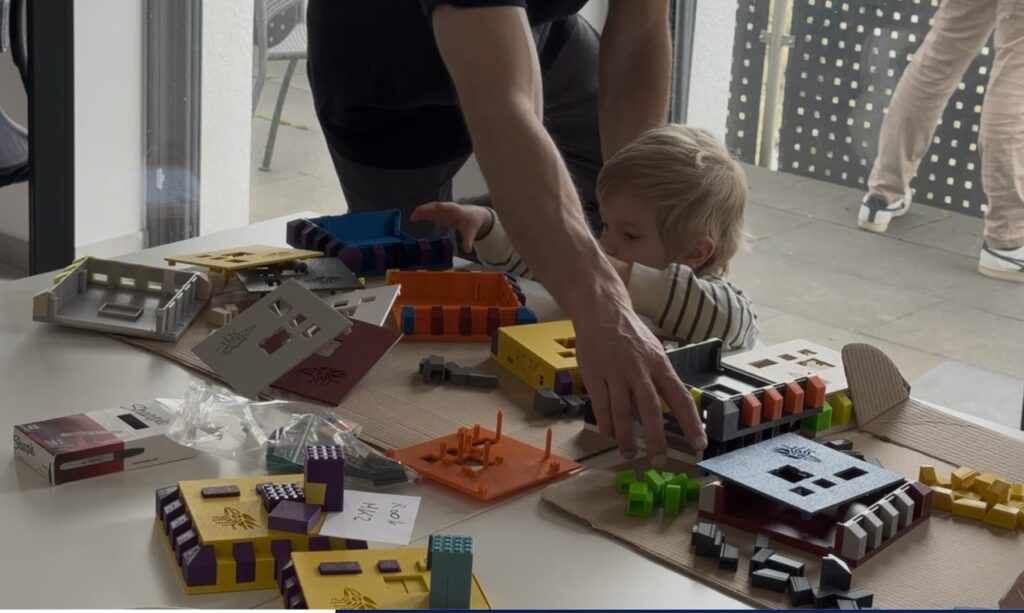
Enno fired up the printers last minute and brought case pieces in many colours. If you wanted to see how a certain combination of case colour and pillar colour worked, you could simply build a case and have a look. This possibility was eye-opening for a few guests.
The games leading up to the final were tense and so close, you couldn’t squeeze a piece of paper between first and second place. Still there can be only one champion, so there is only one.
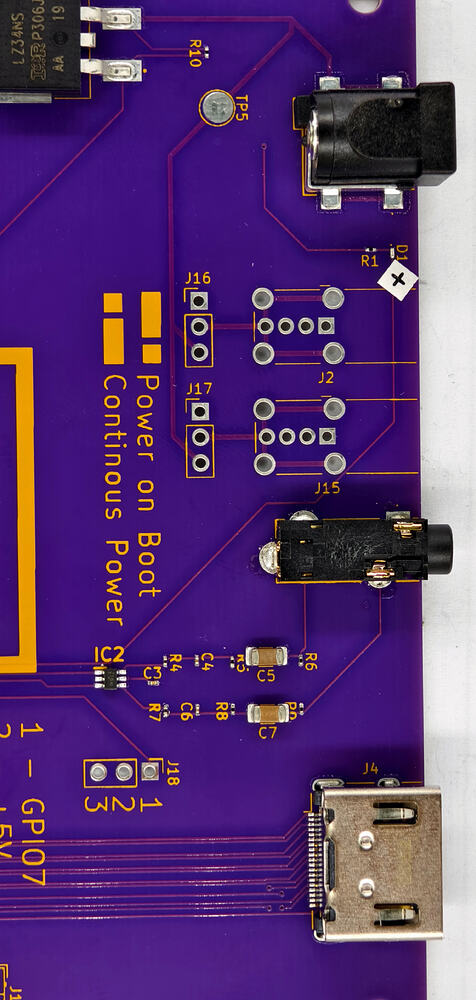
The team learned a lot on this tournament. They learned that they have to build a more robust power supply logic for the usb ports. They learned that cartridges may break. Three cartridges failed during the tournament. They still have to analyze what exactly went wrong with them. But the team has some ideas to prevent that from happening in the future already. They learned that having options for the colours is an important feature. RooK is meant to be your very personal console. The one you build yourself. You should select the colours yourself aswell.
The team also learned, that while they’re not done yet (discussions for RooK Mk4 are done, building it is up next), I am already up for the task. It’s time to show me to people not directly connected to the team. It’s time to find out what the world thinks about RooK – about me. That part of the world, that loves gaming, of course. Oh that is so exciting!
A new tournament lead. A new way to run the games on the consoles. A new game. A minecraft safe space. A keyboard zoo. A corner to build your own console case. How did they pull this off?